Start with a complete file
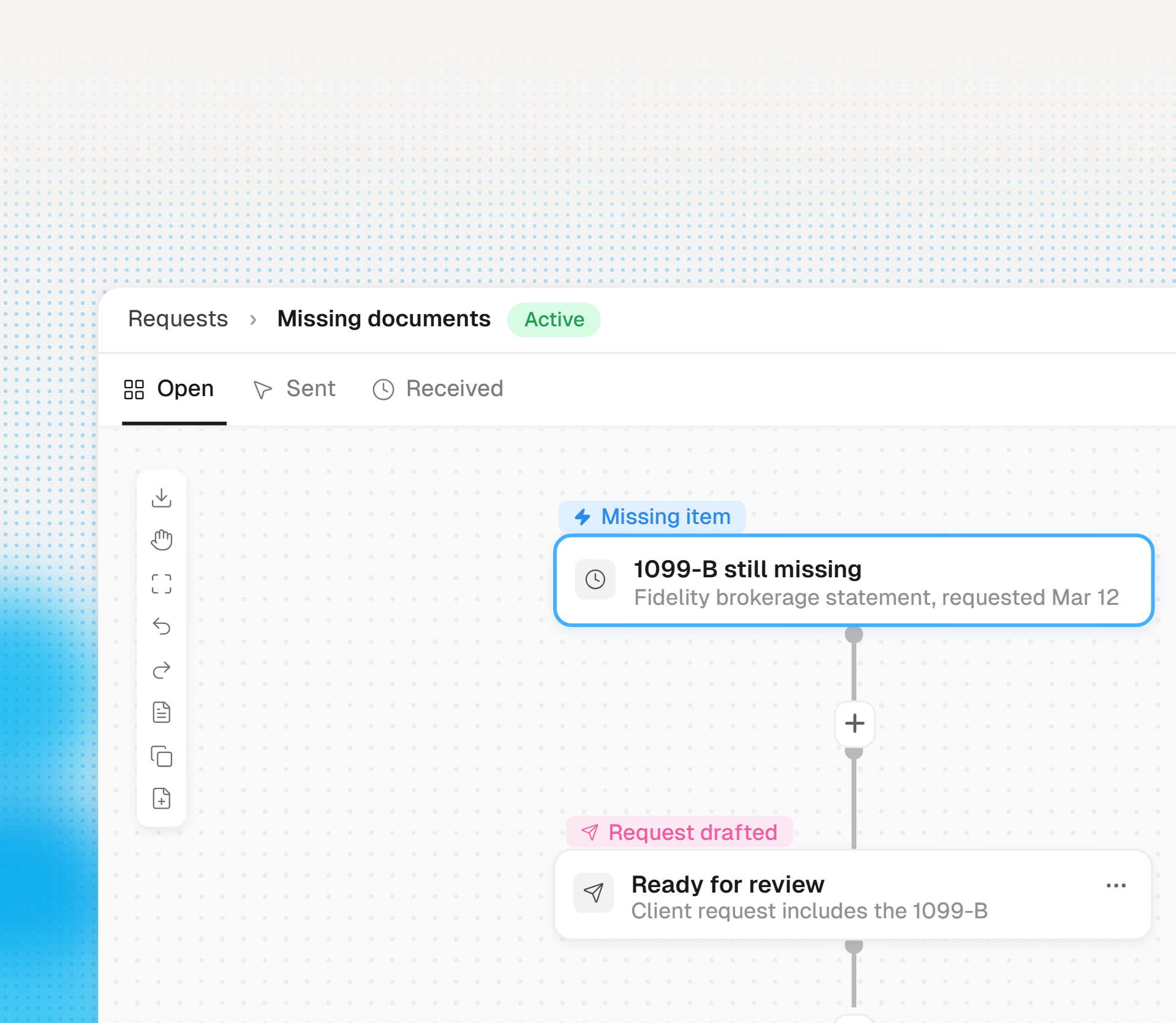
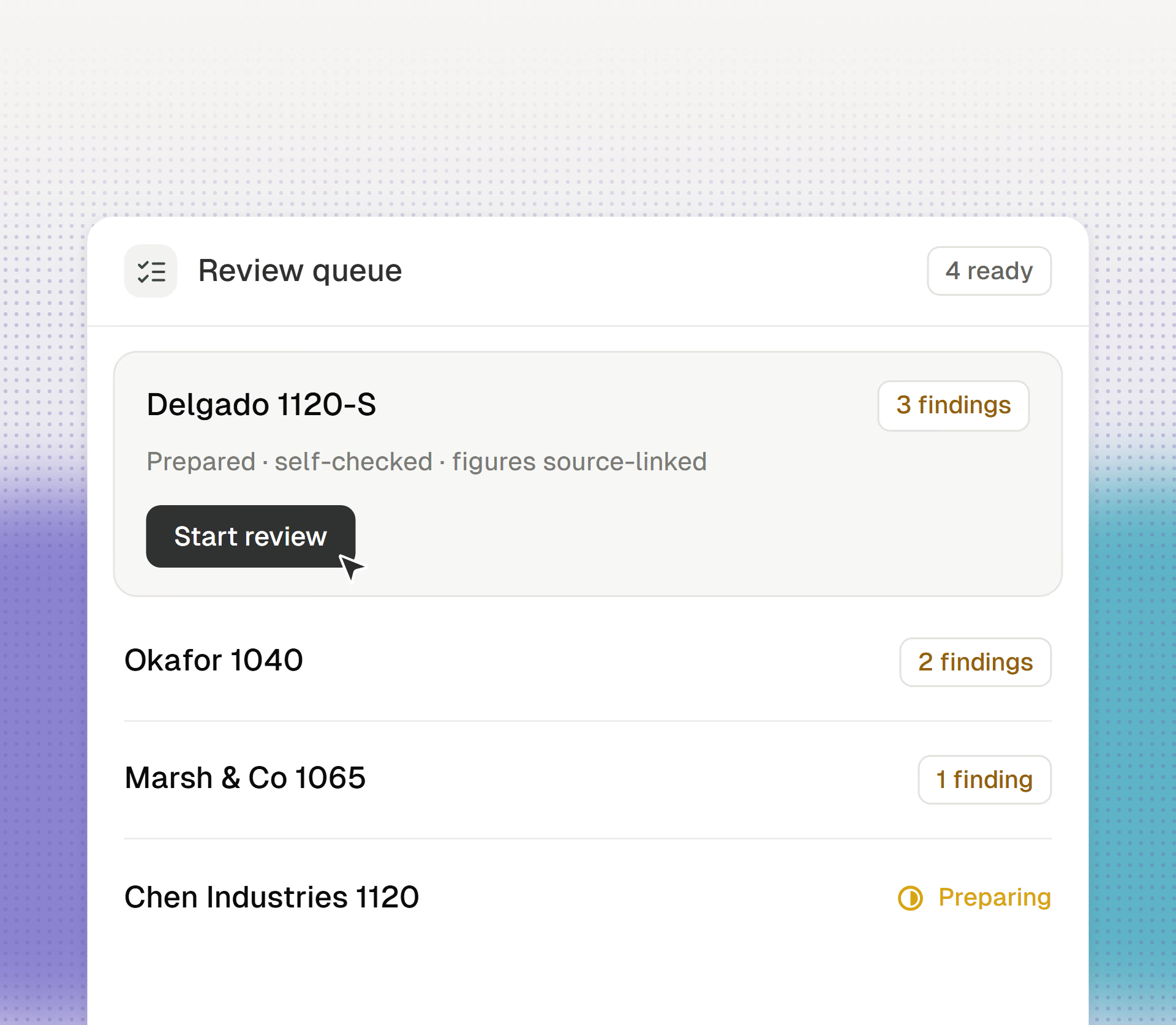
Cranston finds missing documents before it starts prep, and drafts one client request for every missing item.
Cranston reads the documents, prepares the return in your tax software, and flags what needs a reviewer. Your team makes the calls.
Book a demo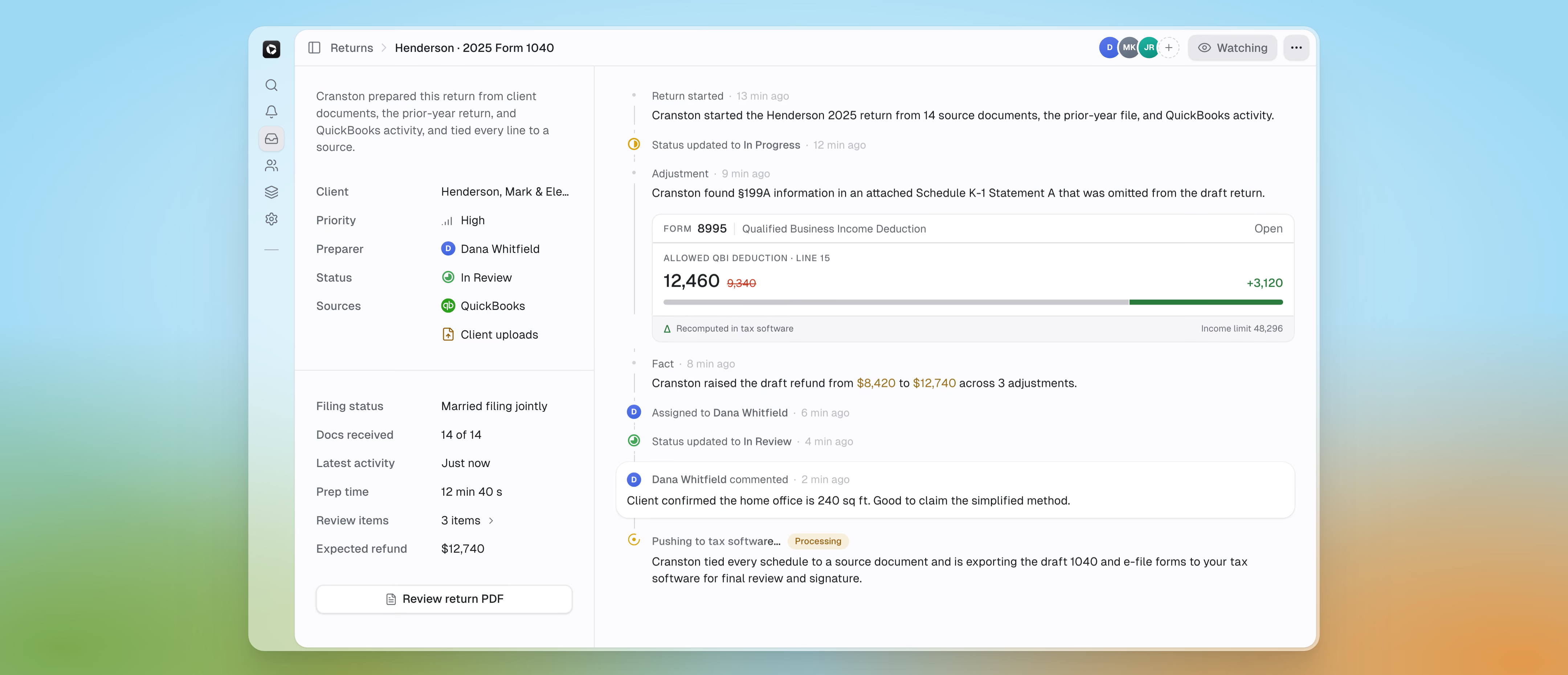
It prepares the return inside the tax software you already use, plans the next one, and answers the questions in between. Your team reviews and approves it.
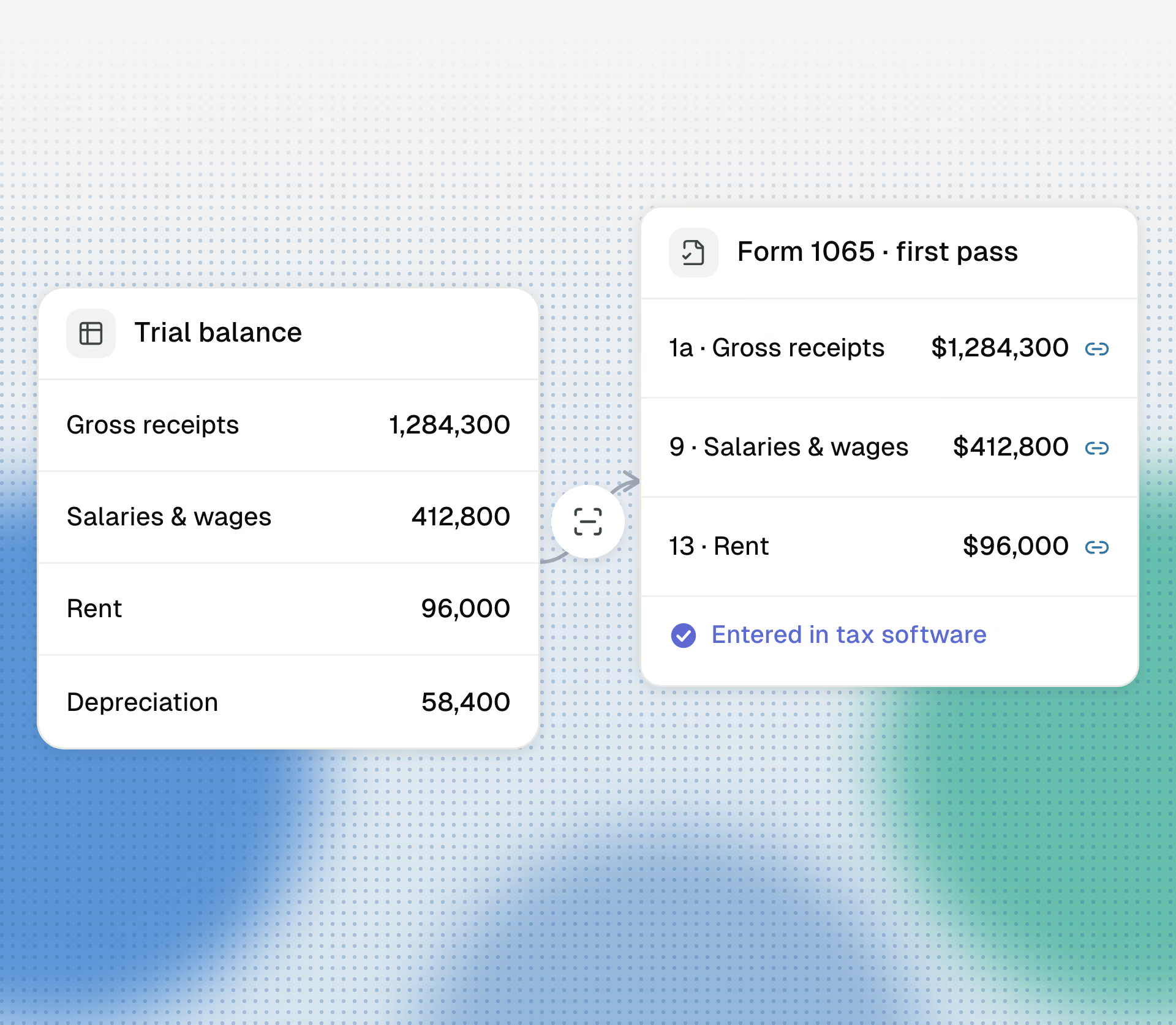
It reads the client documents, enters the return in your tax software, and calculates it. Your preparer checks a finished draft instead of typing it in.
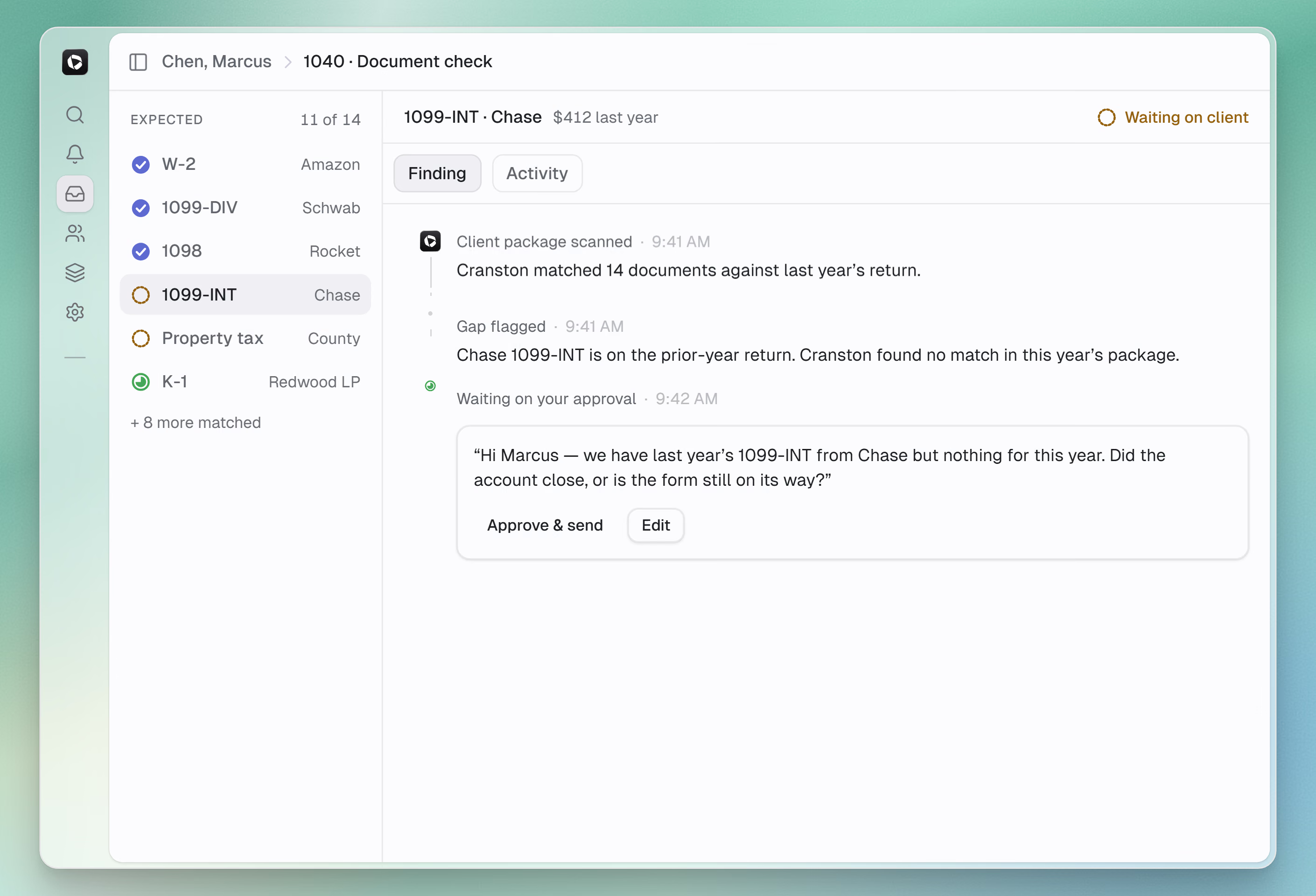
Cranston compares each document package against last year's return. It flags the missing 1099 or the wrong-year statement, then writes the client follow-up email. You approve it before Cranston sends it.
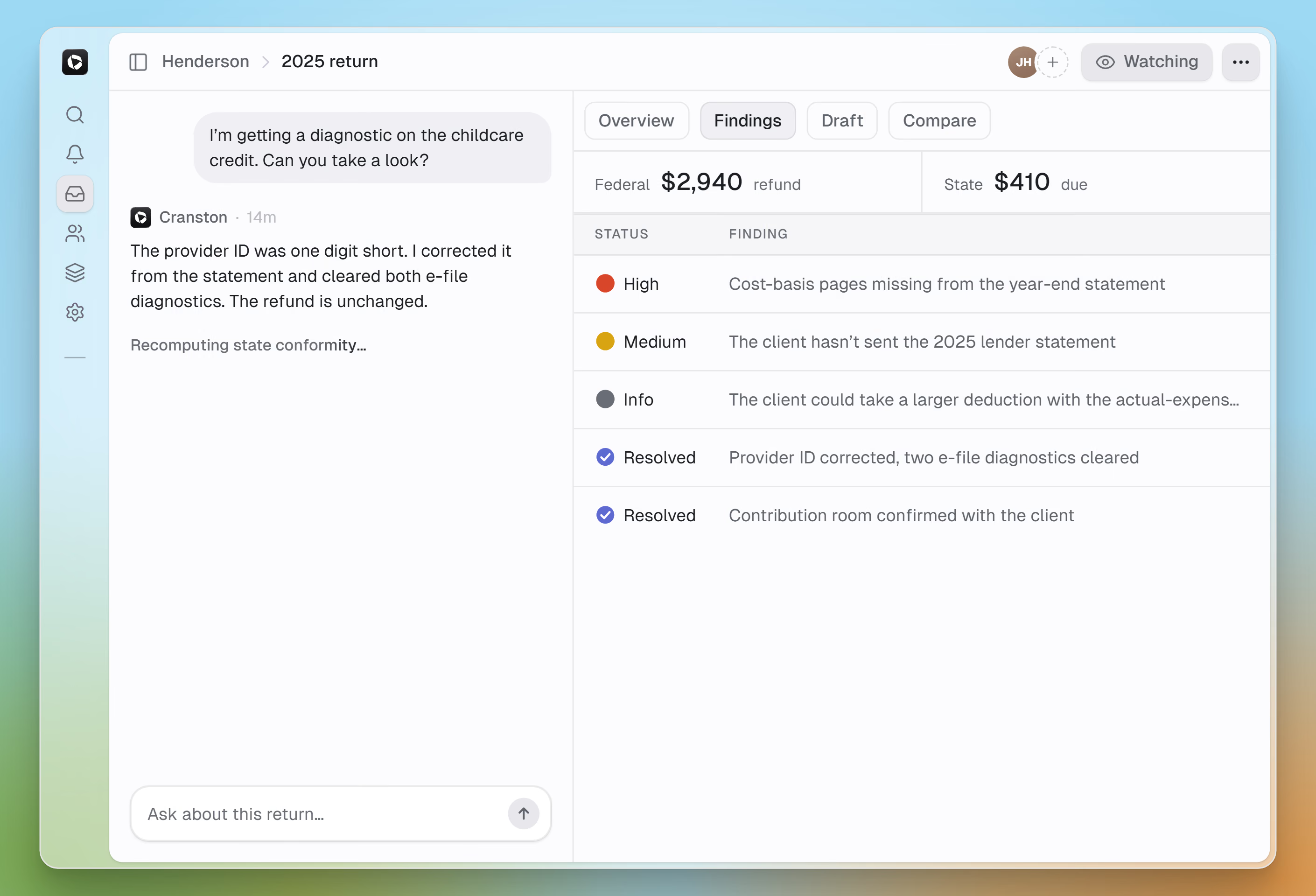
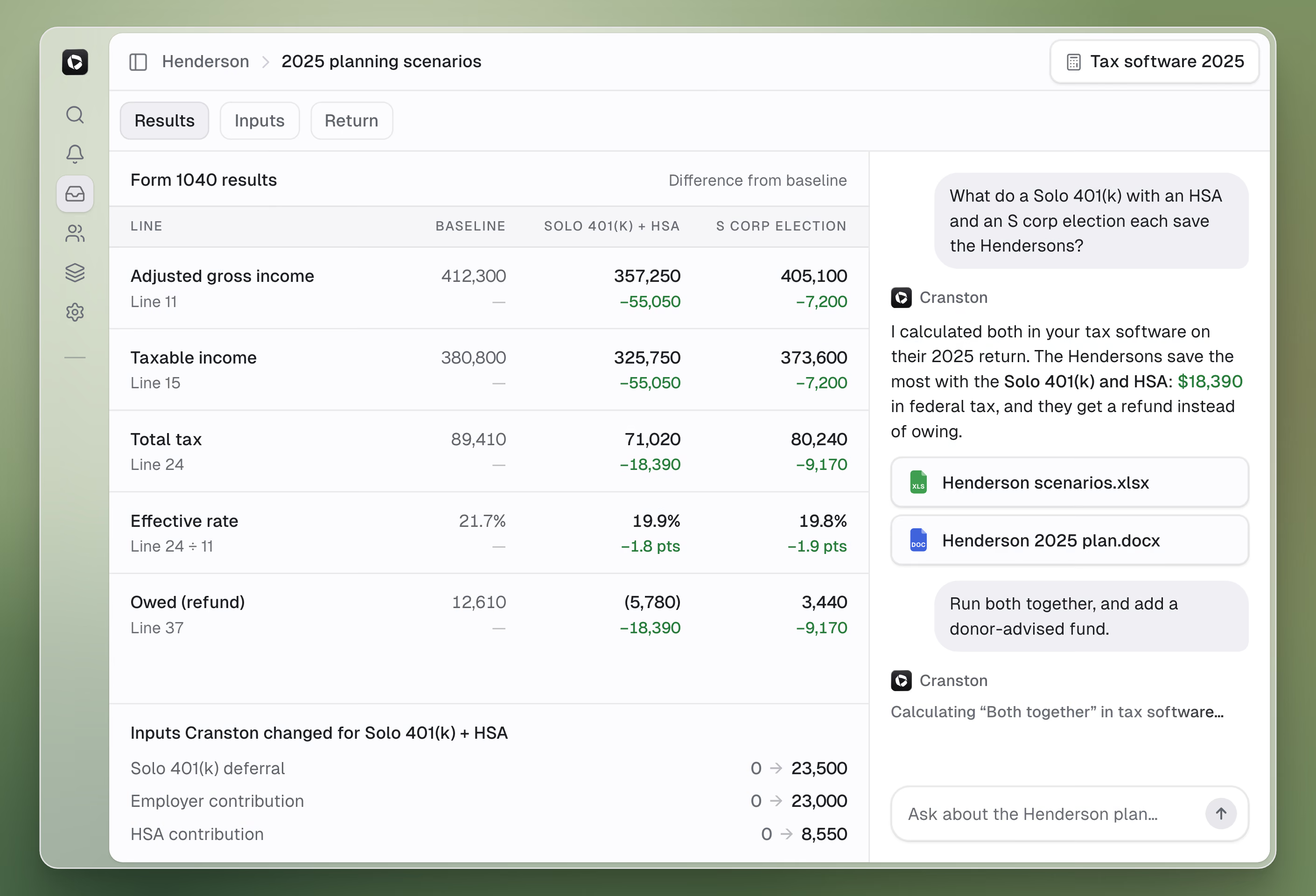
Ask about an S corporation election or a retirement contribution. Cranston changes a copy of the client’s return, calculates it in your tax software, and shows the difference line by line.
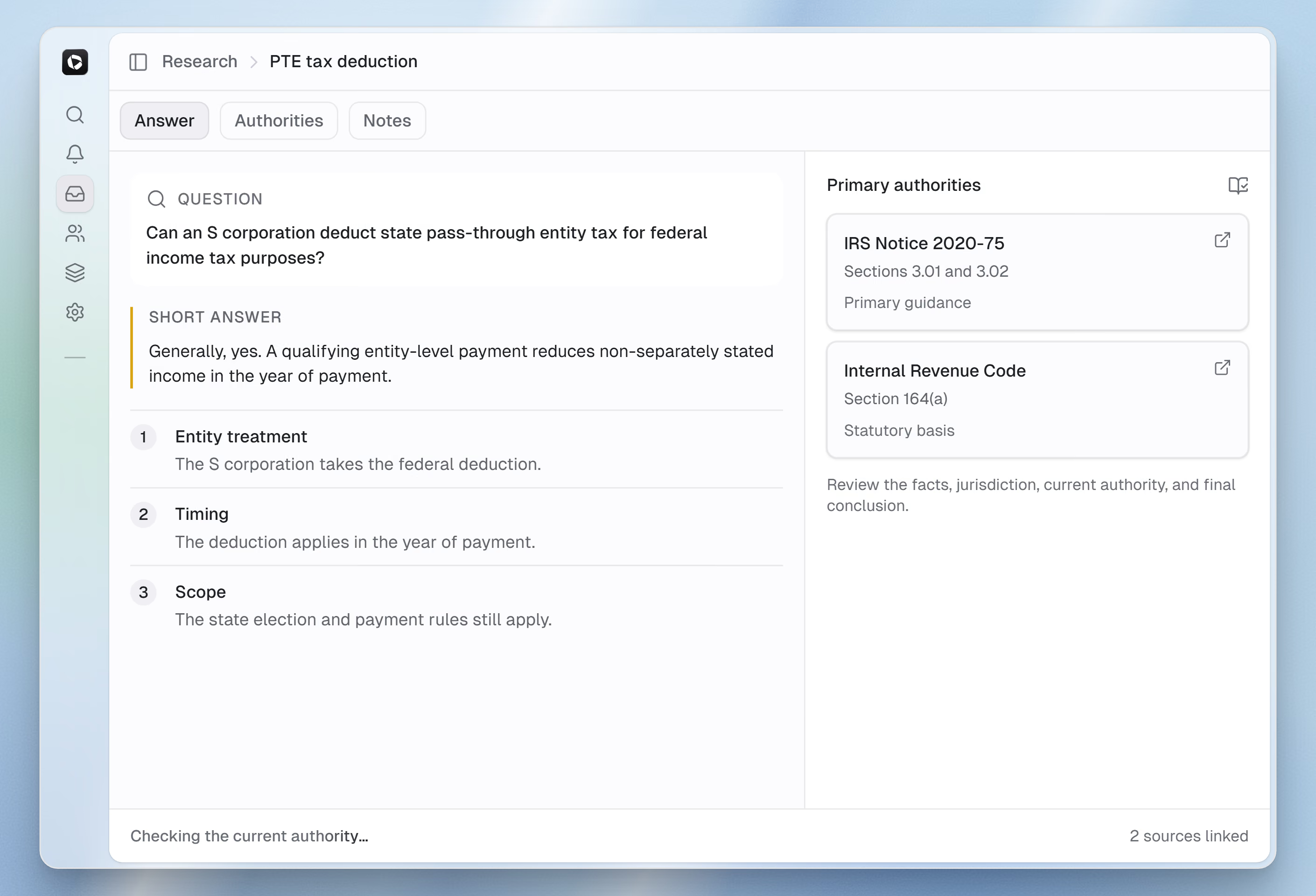
Ask in plain English. Cranston reads the IRC, regulations, and rulings, and returns an answer with the sources attached for you to check.
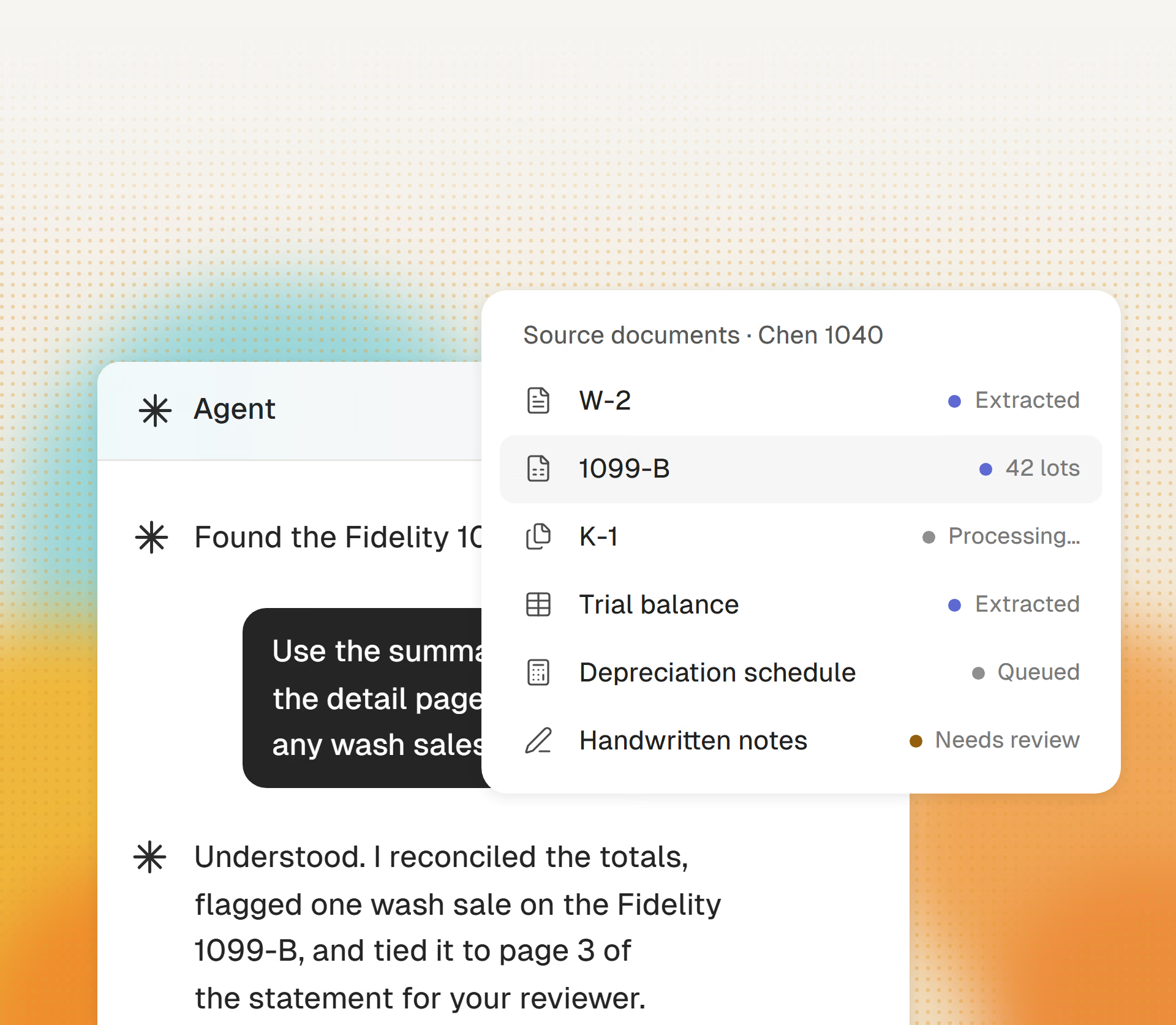
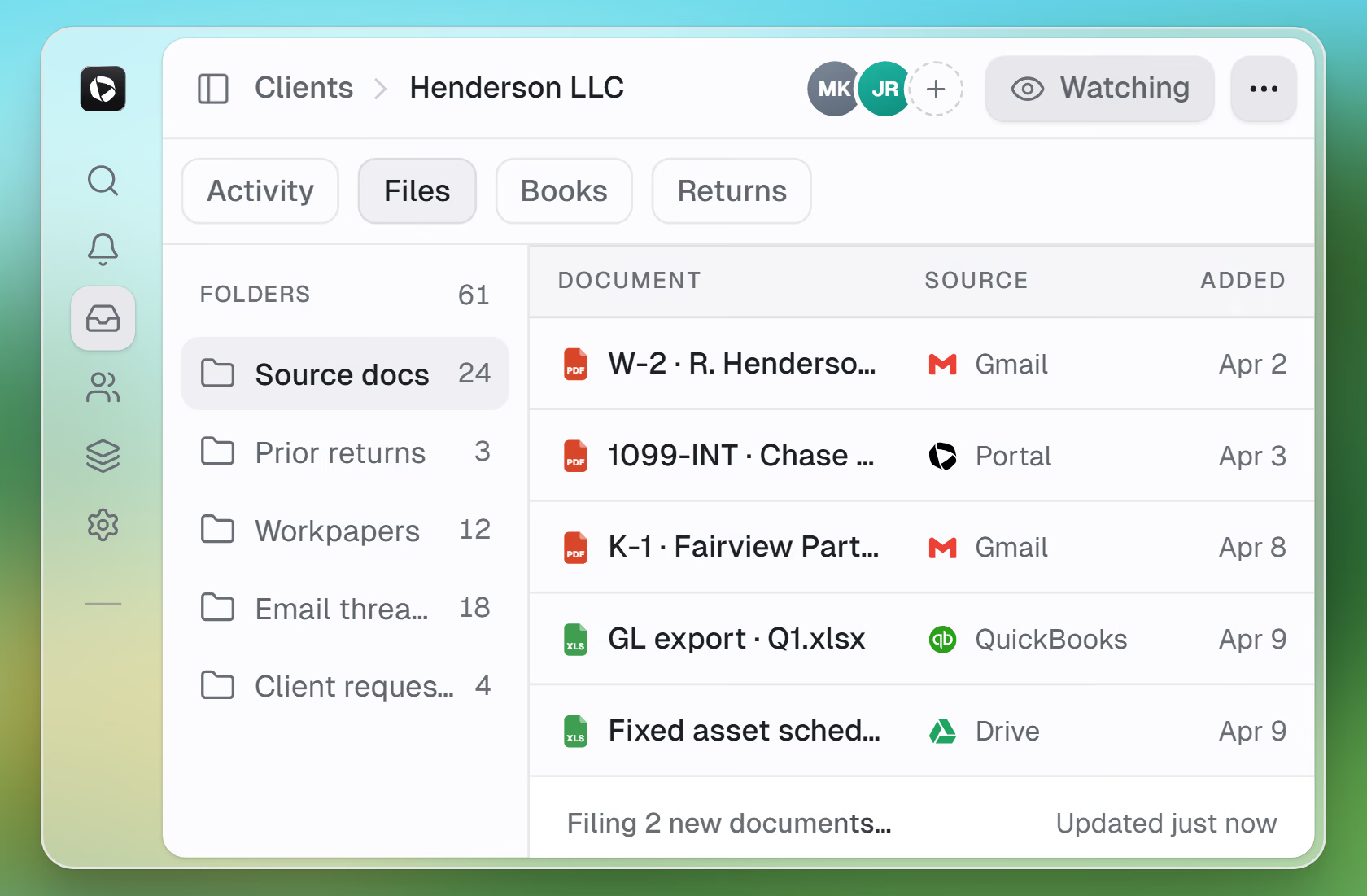
W-2s, 1099s, K-1s, and the handwritten notes.
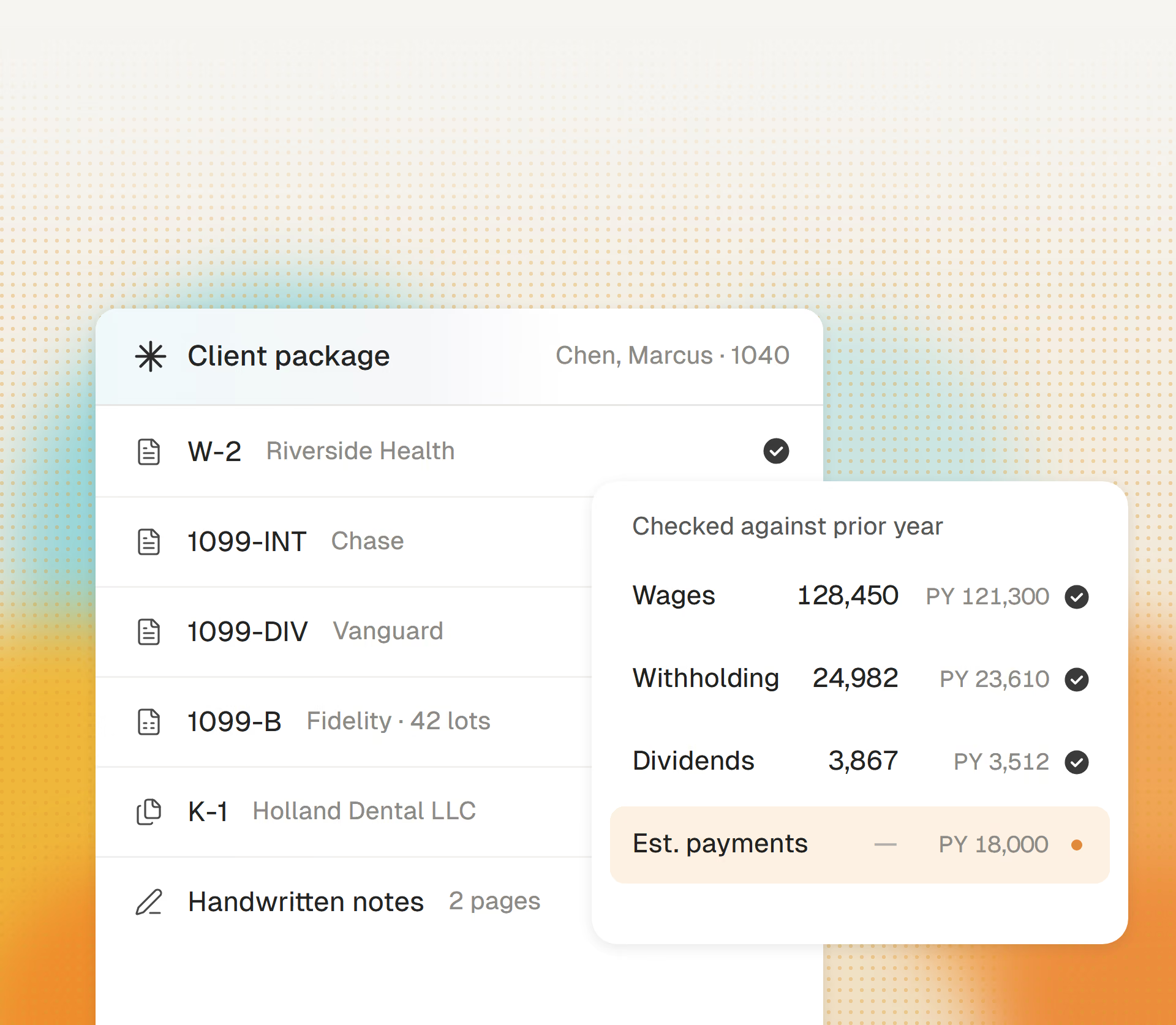
Every figure beside the prior-year return.
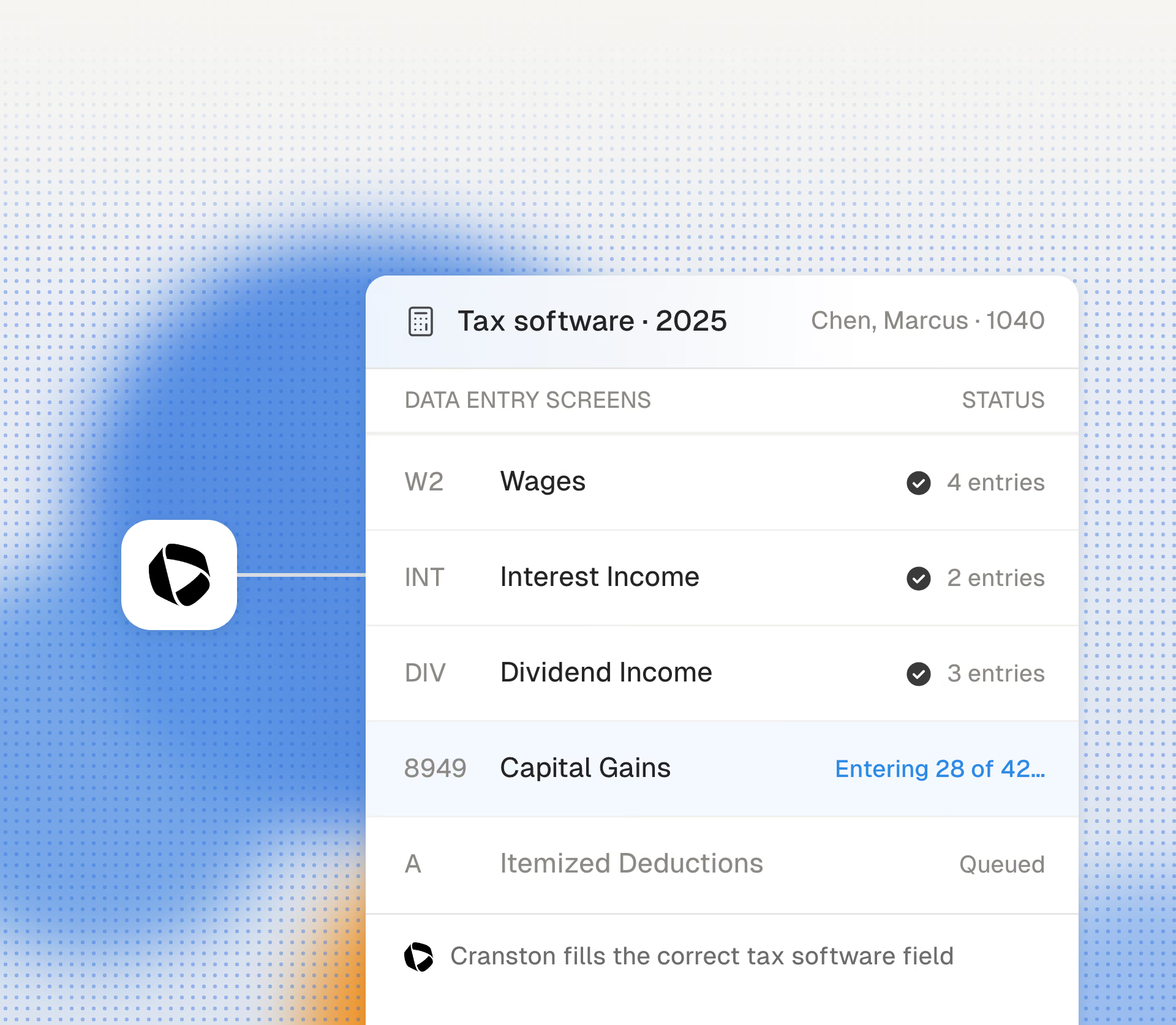
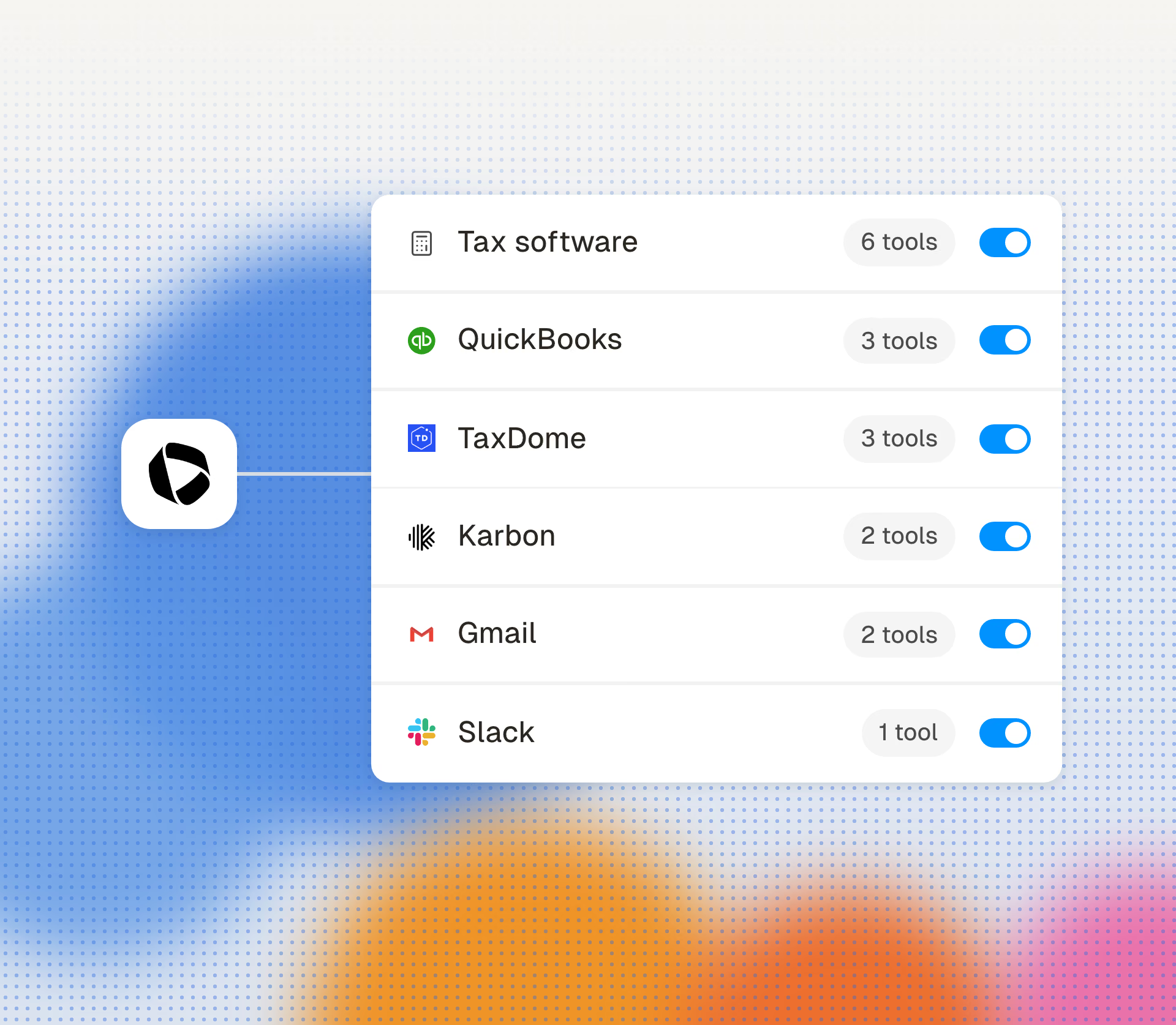
The tax software your firm already uses.
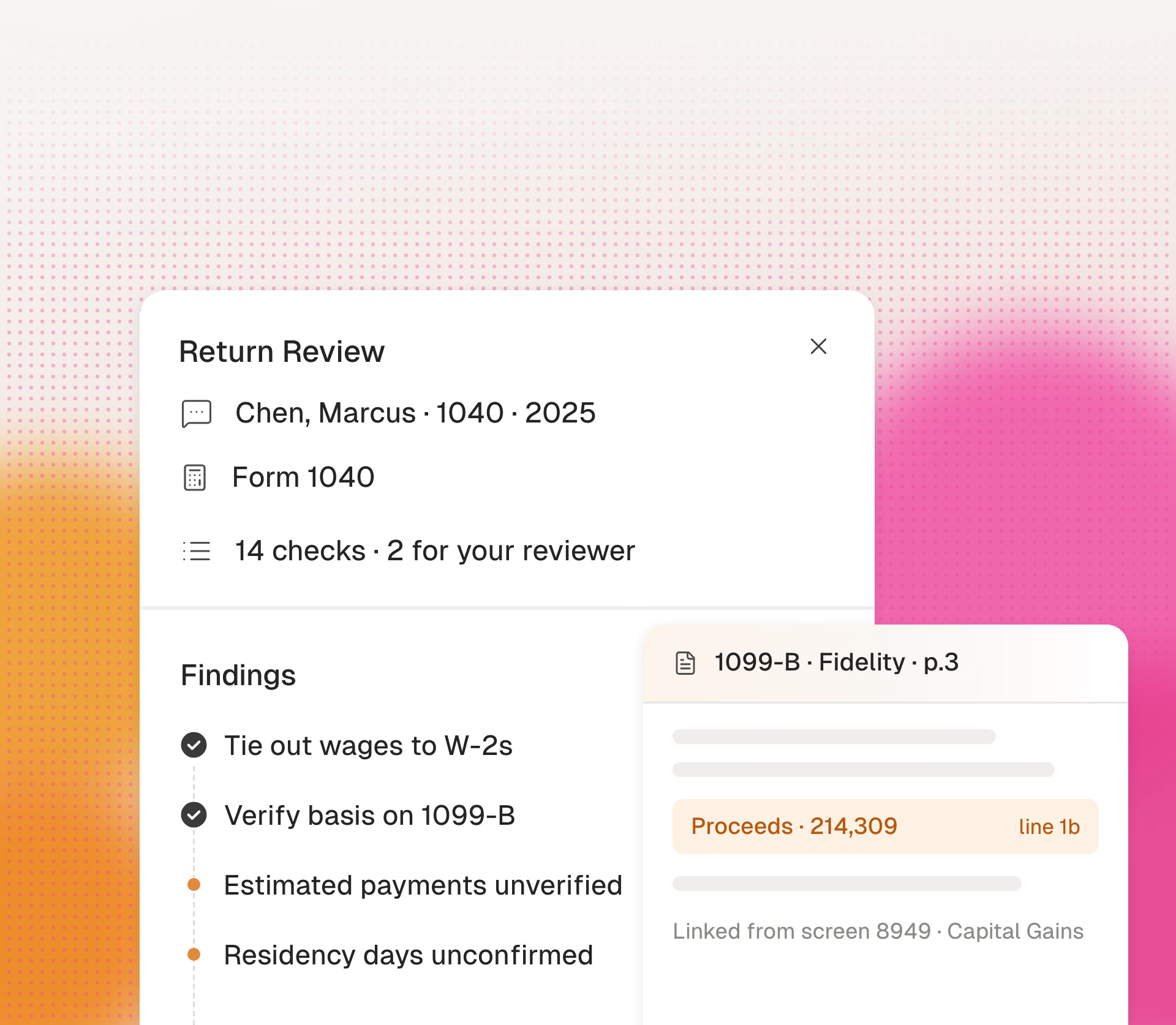
Then checks the result against the sources.
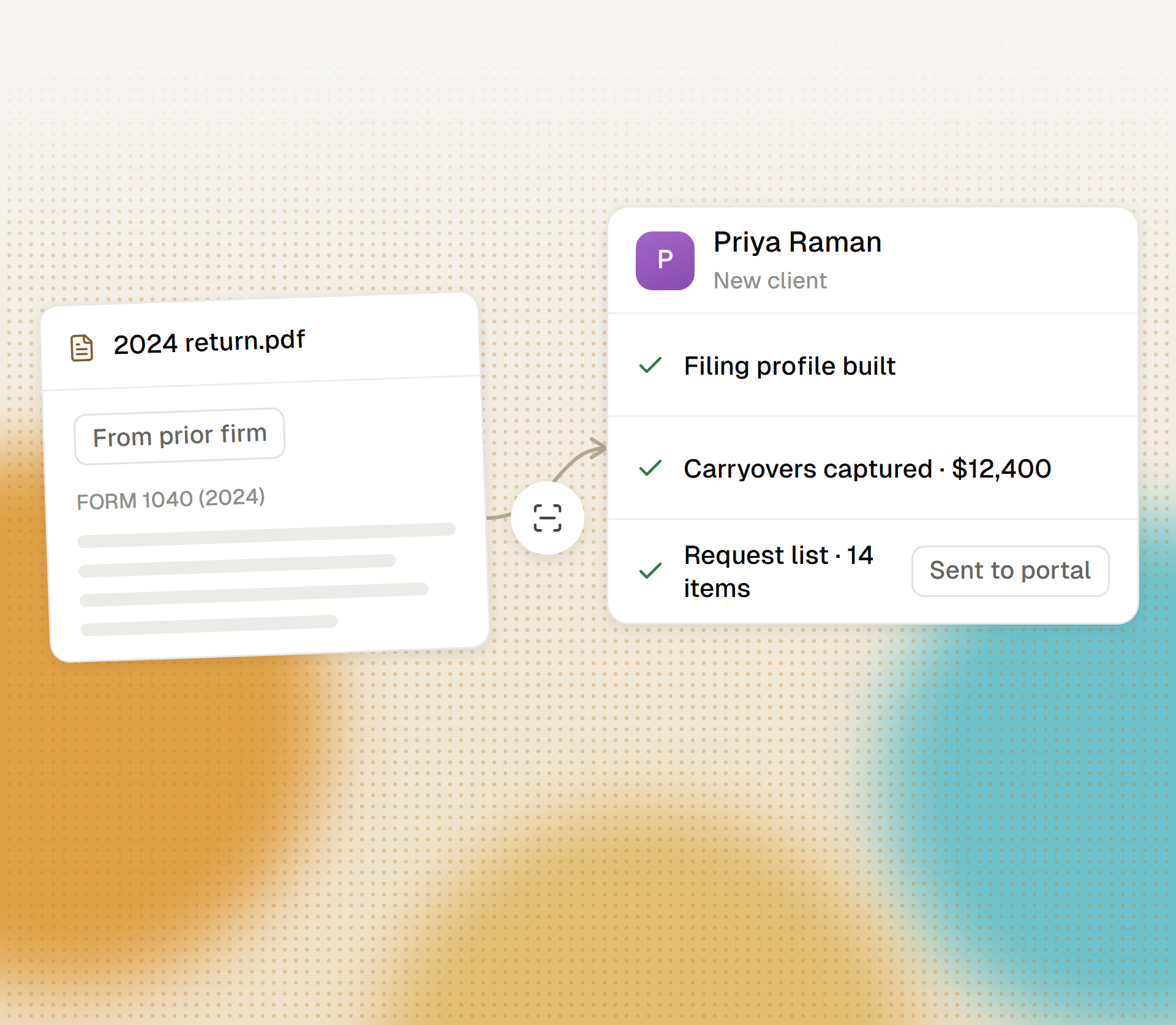
Carryforwards, depreciation, and recurring items.
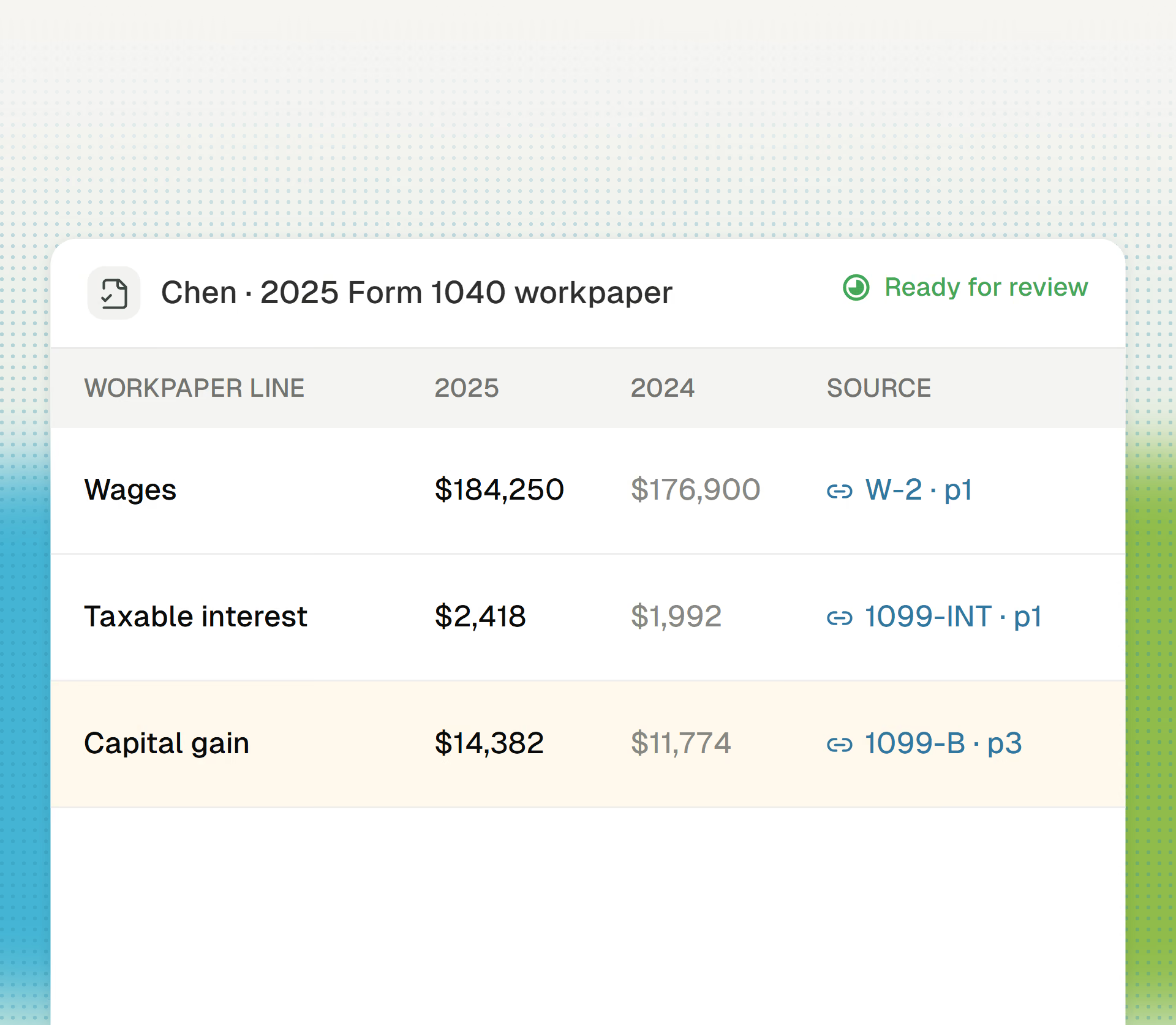
This year, last year, and the page it came from.
Cranston prepares the work. Your reviewer must approve it before Cranston sends or files anything.
Cranston finds missing documents before it starts prep, and drafts one client request for every missing item.
Cranston drafts the work. It posts and sends nothing to a client until your reviewer approves it, and you file from your own software.
Cranston ties the trial balance to the 1065, 1120, or 1120-S, proposes the book-to-tax adjustments, and reads K-1 packages at volume.
Cranston keeps each client's documents, prior-year returns, workpapers, and email together, so you always have the next step ready.
Cranston works in your tax software and reads from TaxDome, Gmail, and QuickBooks. You keep your current software and data.
An independent auditor examined the controls Cranston uses to protect customer data.
Encryption, role-based access, PII protection, audit logs, and SSO across the platform.
Cranston follows GLBA and the IRS Pub. 4557 safeguards for taxpayer data.
Each firm works in its own isolated workspace. Read the security page
Pay per prepared return, one rate for any form.
Take a call with the team to price tax planning and tax research and set them up around how your firm works.
Take a call with the teamHow Cranston fits into the way your firm already works.