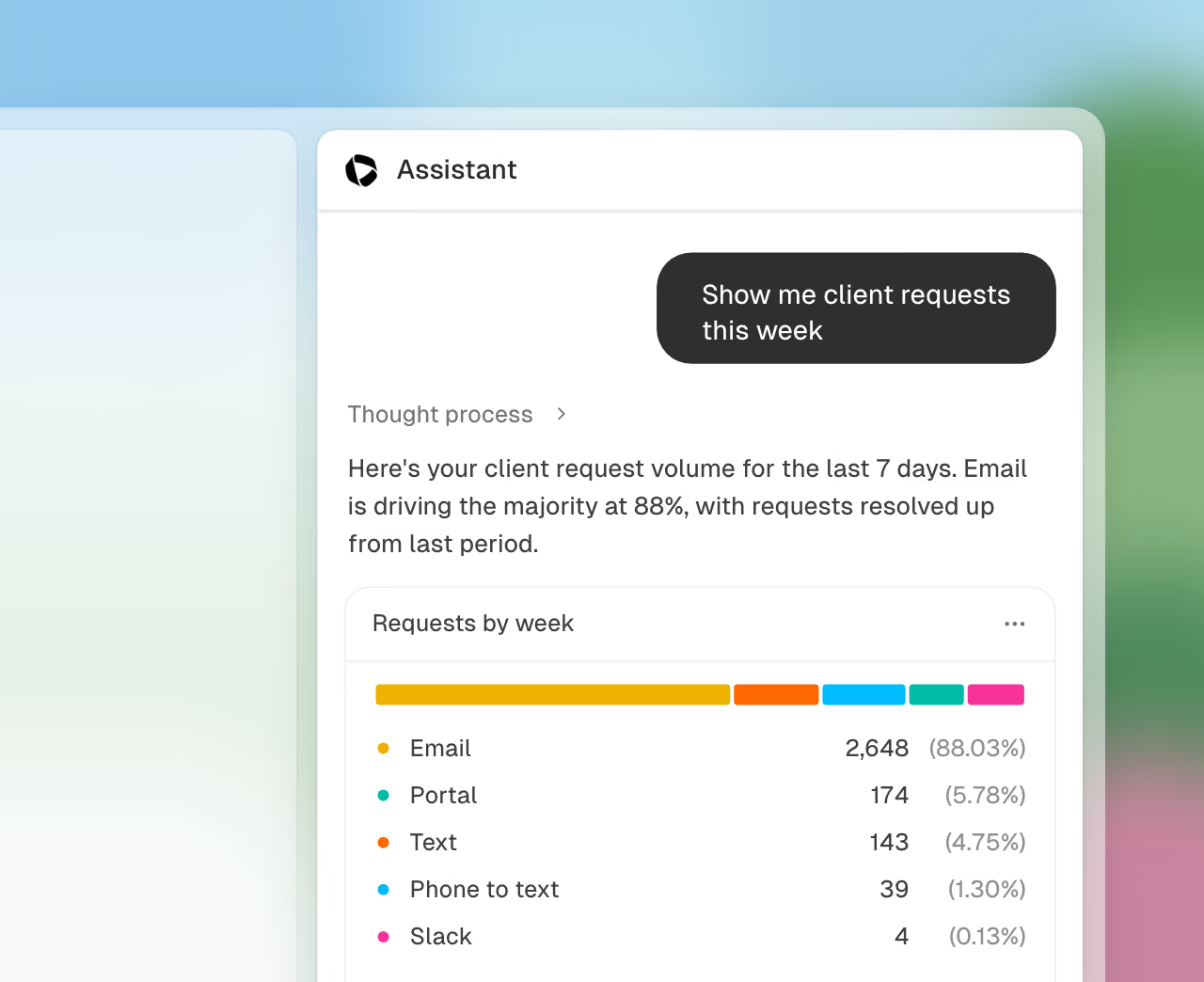
Ask in plain English
Type the question the way your client asked it. There is no query syntax to learn.
Cranston reads the primary authority and returns a clear answer with the citations attached. You open the sources, judge the fit, and get back to the return.
Get started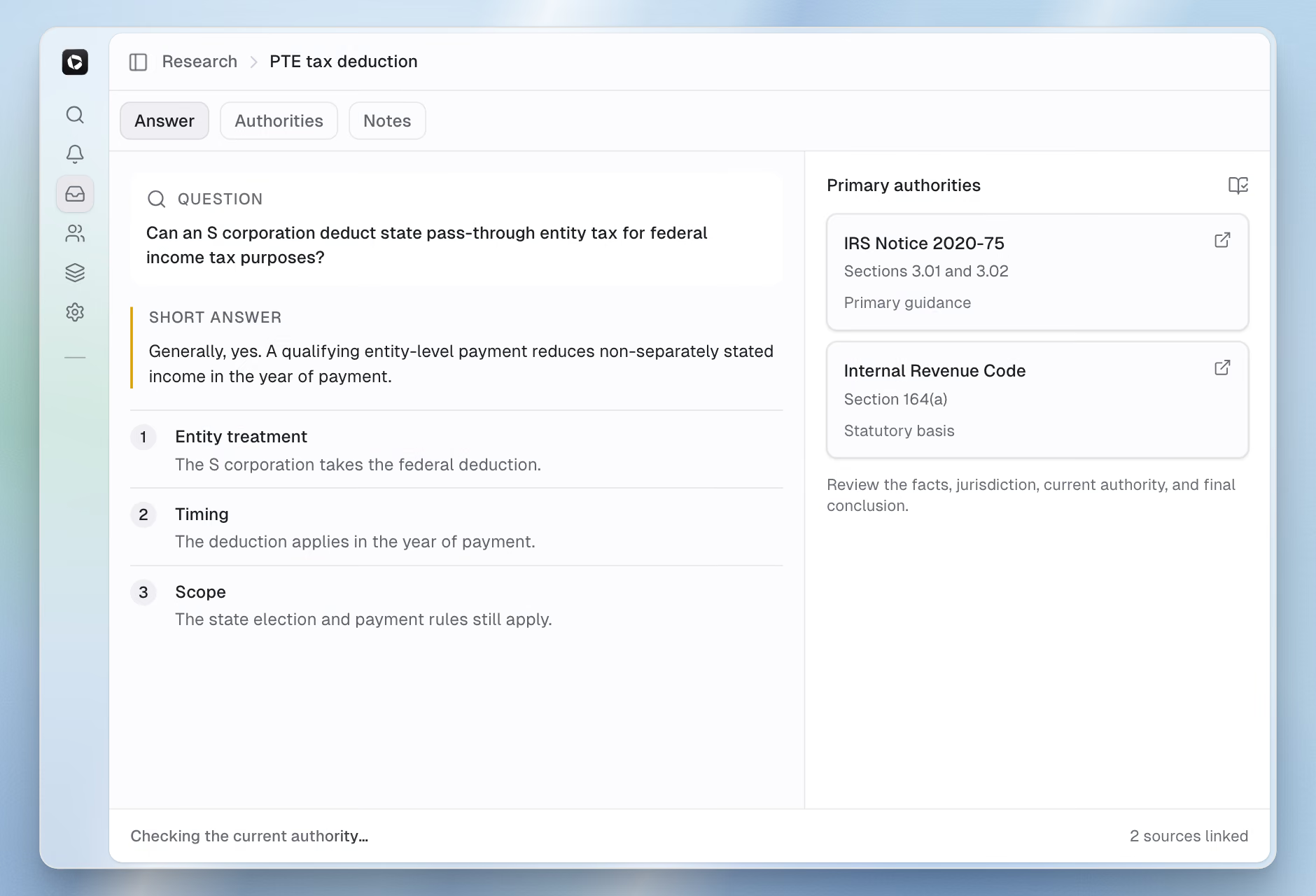
The same path a careful researcher takes: read the authority, connect it to the facts, show the work.
Type the question the way your client asked it. There is no query syntax to learn.
Internal Revenue Code, Treasury Regulations, IRS notices, revenue rulings and procedures, and supported state sources. Answers come from the authority itself.
A concise answer with each conclusion connected to its citation. Open the source, check the reasoning, decide whether it holds.
From the question to the authority behind the answer.
Ask the way the client asked. Cranston finds the relevant authority even when you do not know the citation.
The Code, the regulations, notices, revenue rulings, and revenue procedures. Answers are built on the documents themselves, with supported state sources where coverage exists.
Every conclusion links to the authority it rests on. One click opens the source so you can judge whether it fits your facts.
Research lives beside the client’s file. The question carries the client’s facts: entity type, year, amounts.
The question, the answer, and the cited authority stay on file. When the position is questioned later, the basis for it is one click away.
Cranston finds and connects the authority. The professional validates the facts, the jurisdiction, and the conclusion.
Cranston automates preparation. Your firm reviews and approves every tax decision.
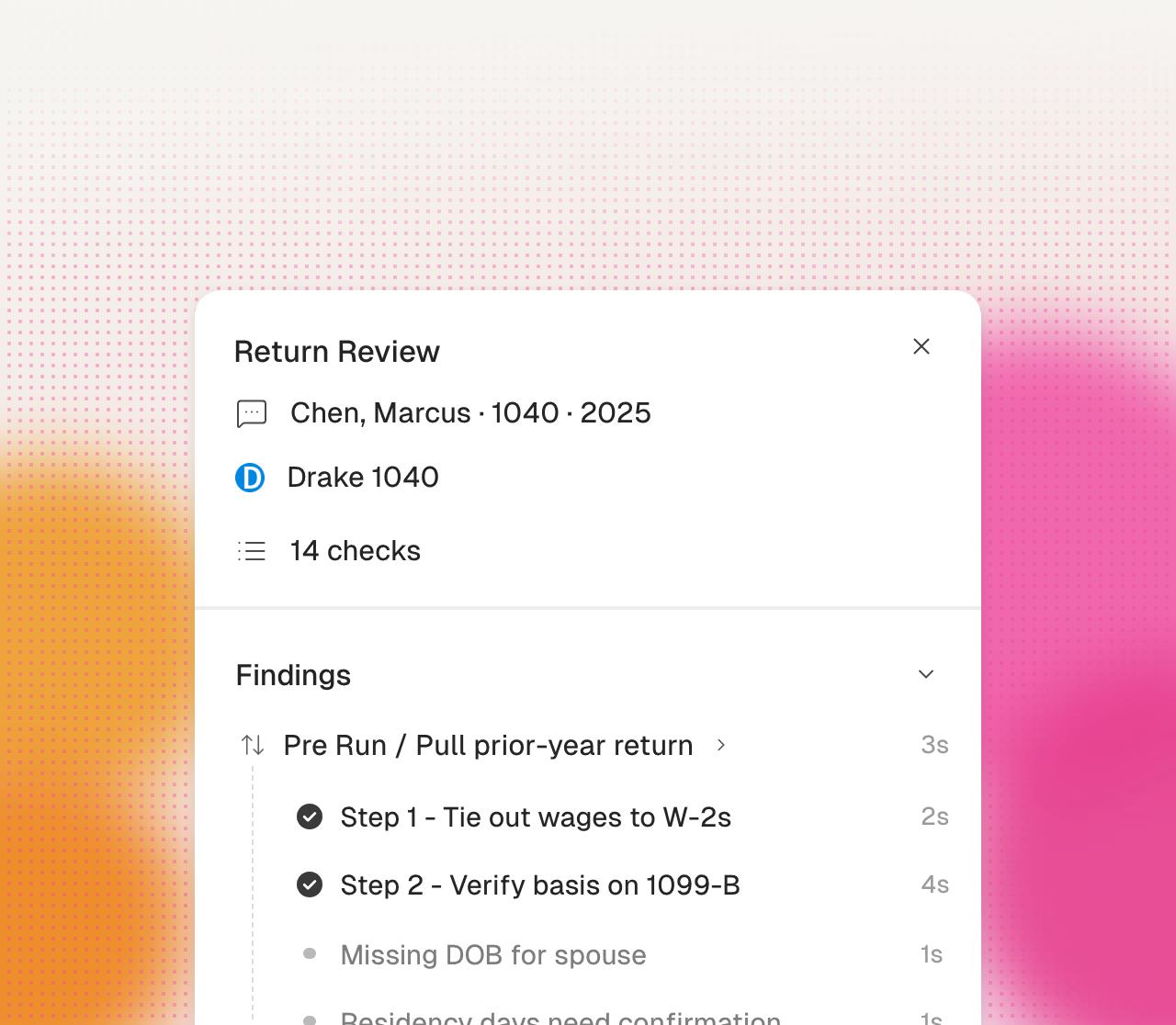
Cranston compares each page with the prior-year return.
Cranston enters values in your current client file.
Click a value to see its source page.
Cranston sends open items to your reviewer.
Your team reviews the return in its tax software.
Your reviewer makes each tax election.
Your firm signs each return.
Your firm uses its own EFIN.
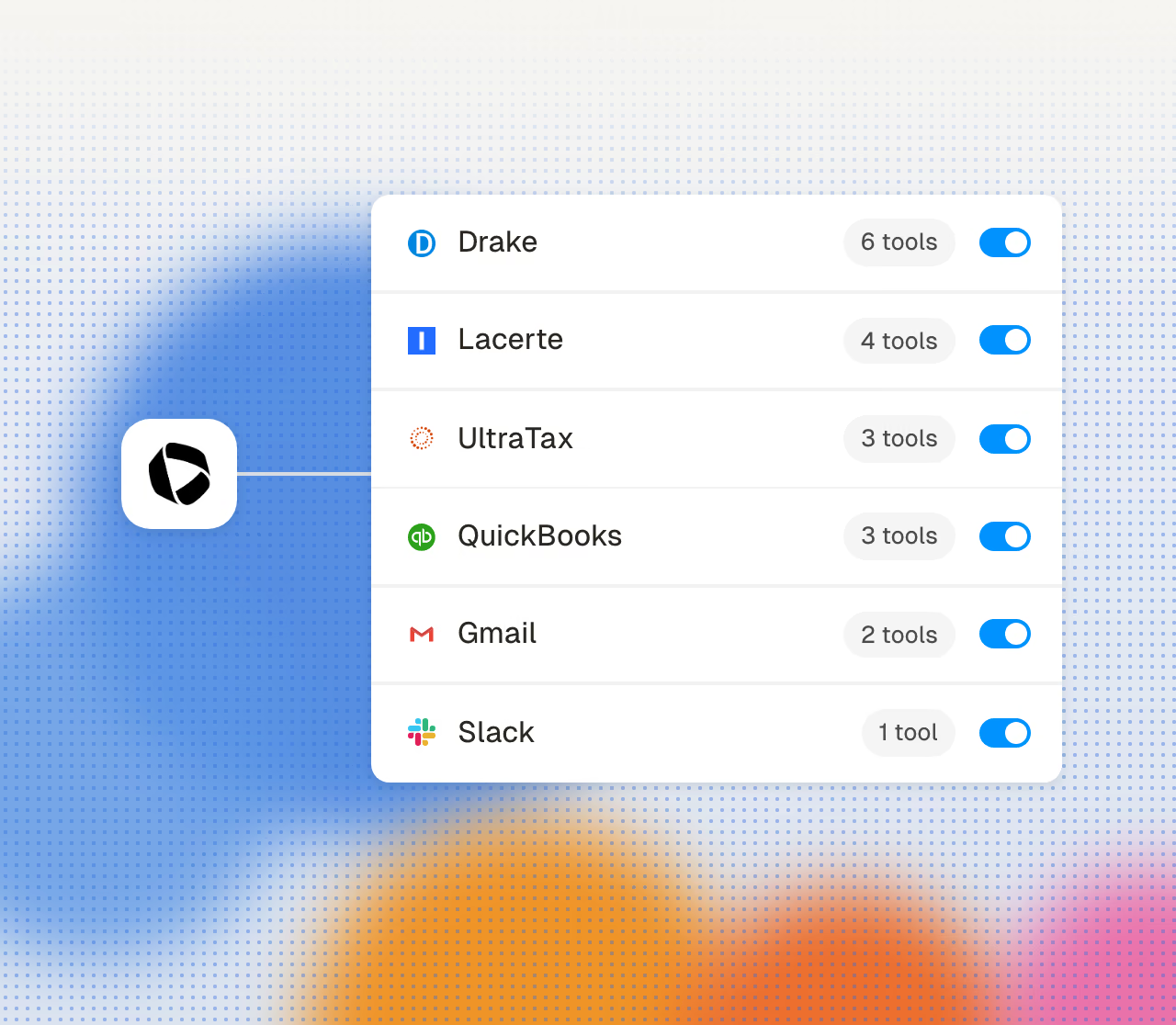
Use each product separately or together. All on shared data.